Valorant aim in 2026 comes down to low cortisol, calm crosshair placement and Rawzu's Phoenix routine
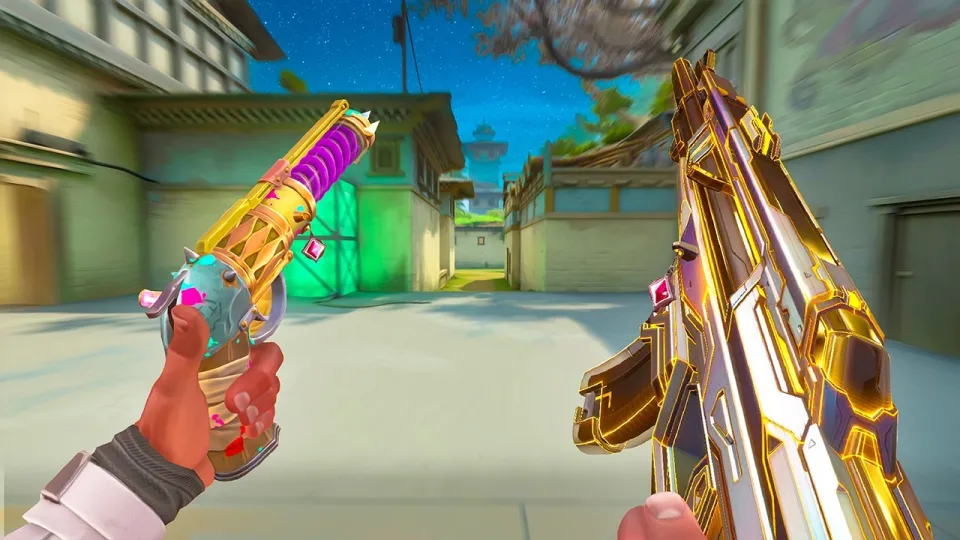
Video: low cortisol aim..
Need articles like this for your video? They help promote it on YouTube and Google — order them in the Telegram bot @sat_sit_bot. It writes articles around your video, embeds the video and publishes them on popular niche websites (no ads). Free trial — 50 articles.
· based on the channel Rawzu
Key takeaways
- Rawzu runs 400 DPI at 0.625 in-game sensitivity, roughly 250 eDPI, on a 1440x1080 stretched resolution.
- Crosshair code style 1-6-2-2: short inner lines, thick outline, no dot or center gap tricks.
- Gear in the video: Logitech G Pro X Superlight 2, Artisan Zero Soft pad, Zowie XL2566K 360Hz monitor.
- Low cortisol aim means slow, repeatable mouse motion with the wrist relaxed instead of flicking under stress.
- Phoenix kit (Blaze wall, Curveball flash, Hot Hands, Run It Back) rewards calm entries over panic peeks.
Valorant aim that stays steady under pressure is what players mean by "low cortisol aim": slow, repeatable mouse movement with relaxed grip, pre-placed crosshairs and no panic flicks. Rawzu's Phoenix montage on the Rawzu channel shows the practical version of it, and if you want the same frame stability on your own setup, optimize your PC for Valorant with Hone before you touch your sensitivity again.
The idea is simple: most players lose duels not because their reaction time is bad, but because their hand is tense, their grip shifts mid-fight and their crosshair travels further than it needs to. Low cortisol aim is the opposite habit — the mouse hand stays loose, the crosshair starts where the enemy will appear, and the shot is a small correction rather than a full swipe across the screen.
What low cortisol aim actually means in Valorant
Low cortisol aim is a training mindset, not a secret sensitivity. It describes a state where your aim is driven by calm, repeatable motion instead of adrenaline: you hold angles with a relaxed wrist, you micro-adjust in small increments, and you avoid the wide, jerky flicks that come from being startled. In a duelist role like Phoenix, that calm is what lets you take a fight on your own terms instead of reacting to the enemy's timing.
The physical side matters as much as the mental one:
- Grip pressure stays light — fingers rest on the mouse rather than clamping it.
- Arm and wrist move together, so tracking and flicks come from the same base.
- Breathing stays even during entries; you exhale as you swing, not after.
- Crosshair height is locked at head level before the peek, so the correction is horizontal only.
- Sensitivity is low enough that a full 180 is a deliberate arm movement, not a twitch.
That last point is why so many "calm aim" clips come from low-sensitivity players. A lower eDPI forces the arm to do the work and makes small overshoots physically harder.
Rawzu's Valorant settings and peripherals in the low cortisol aim video
Rawzu's setup in the video is a textbook low-sensitivity, high-refresh configuration. The sensitivity is 400 DPI with 0.625 in-game, which works out to roughly 250 eDPI — slow enough that micro-corrections dominate and wide flicks require real arm travel. The resolution is 1440x1080, a stretched 4:3-style aspect that widens enemy models and makes heads easier to read at range.
The crosshair is listed as 1-6-2-2, a compact short-line crosshair with a strong outline and no distracting extras. The hardware list is equally specific:
- Mouse: Logitech G Pro X Superlight 2
- Mousepad: Artisan Zero Soft
- Monitor: Zowie XL2566K at 360Hz
Each of those choices supports the same goal. The Superlight 2 keeps weight low so arm-driven aim does not fatigue the wrist. The Artisan Zero Soft gives controlled stopping power, which reduces overshoot on micro-flicks. A 360Hz panel shortens the visual delay between your hand moving and the crosshair landing, which matters when you are holding tight angles on Phoenix.
Why Phoenix fits the calm aim style
Phoenix is an offensive duelist built to hunt enemies and deny their ability to shoot back, and his kit rewards players who enter fights with a plan. Blaze creates a vision-blocking wall that also deals damage, so you can cross open ground without exposing yourself to every angle at once. Curveball is a flash that blinds enemies even when they are tucked behind corners, which means you can clear a site without a wide, stressful swing.
Hot Hands adds healing and area damage, and Run It Back gives Phoenix a second life if a trade goes wrong. For a low-cortisol player, that safety net changes decision-making: you can take a calculated duel, miss, and reset instead of panic-flicking because the round depends on one shot. The agent's kit removes some of the pressure that produces tense aim in the first place.
How to build calm aim with a repeatable routine
Calm aim is trainable, and the routine is boring on purpose. Start with a fixed warm-up that isolates the motion you actually use in matches, then carry the same physical habits into ranked. The sequence below takes about 15 minutes and works on any sensitivity.
- Two minutes of slow horizontal tracking on a wall or in the range, keeping the wrist loose and the crosshair at head height.
- Three minutes of static one-taps at medium distance, resetting the crosshair to center after every shot.
- Three minutes of micro-flicks to targets just outside the crosshair, never wider than a shoulder width on screen.
- Two minutes of counter-strafe taps: move, stop, shoot, repeat, so the shot always happens from a standstill.
- Five minutes of deathmatch with one rule — no flick longer than a small correction. If a target is far off, reposition instead of swiping.
Pair that with hardware consistency. Keep the same mousepad, the same DPI and the same in-game sensitivity for weeks, not days; changing any of the three resets the muscle memory you are trying to build. Rawzu's 400 DPI / 0.625 combination is a useful reference point, but the number matters less than keeping it fixed.
Common questions about calm aim, stretched resolution and settings
Viewers of the video raise practical doubts that come up whenever a low-sensitivity, stretched-resolution clip goes viral. The most common one is whether 1440x1080 gives a real advantage or is just a comfort pick. Stretched resolutions widen targets horizontally, which makes tracking and micro-adjustments feel easier, but they also distort movement speed on screen. Players who rely on precise horizontal flicks often prefer it; players who read space by native proportions usually do not.
The second recurring question is whether a 360Hz monitor is required for calm aim. It is not. Higher refresh rates reduce input-to-screen latency and make micro-corrections easier to judge, but a 240Hz panel is already enough for the timing involved in most Valorant duels. The bigger gains come from stable frame rates and consistent frame times, which is exactly what a tuning tool addresses before you spend money on hardware.
The third is whether low sensitivity limits you on Phoenix. It does not, as long as your crosshair placement is disciplined — the agent's flashes and wall let you close distance without needing a fast 180. Players who constantly get caught from behind should fix their positioning and audio awareness first, not raise their sensitivity.
Useful links
- Optimize your PC for Valorant with Hone
- Rawzu's original music: https://open.spotify.com/artist/6DbATPR1PTNMx7U918bg1Q
- Rawzu's Discord community: https://discord.gg/axnFwyvxp3
Final takeaway
Low cortisol aim is less about a magic sensitivity and more about removing tension from every part of the chain — grip, posture, crosshair placement and decision-making. Rawzu's Phoenix footage makes the case well: a 400 DPI / 0.625 setup, a 1440x1080 stretched image, a compact 1-6-2-2 crosshair and controlled hardware all push the player toward small, deliberate corrections. Copy the routine, keep your settings fixed for a few weeks and let the calm become automatic. The Rawzu channel is worth following for more of this style of gameplay breakdown, and if frame stability is the missing piece, start with Hone's Valorant optimization.
Questions & answers
What sensitivity does Rawzu use in Valorant?
Rawzu plays at 400 DPI with 0.625 in-game sensitivity, which is roughly 250 eDPI. That is on the low end, so most aiming is arm-driven with small wrist corrections. It pairs with a 1440x1080 resolution and a 1-6-2-2 crosshair.
Is stretched resolution like 1440x1080 actually better for aim?
It widens enemy models horizontally, which makes tracking and micro-adjustments feel easier, but it also distorts on-screen movement speed. It is a comfort and preference choice rather than a guaranteed advantage, so test it in deathmatch before committing.
Do I need a 360Hz monitor to aim calmly?
No. A 360Hz panel like the Zowie XL2566K reduces latency and makes corrections easier to read, but 240Hz is already sufficient for most Valorant duels. Stable frame rates and consistent frame times matter more than the refresh rate number alone.
Why does Phoenix suit a low-sensitivity, calm aim playstyle?
Blaze and Curveball let Phoenix close distance and blind enemies without wide, risky swings, while Hot Hands and Run It Back provide healing and a second life. That kit reduces the panic that causes tense flicks, so deliberate crosshair placement pays off more than raw speed.
Source: low cortisol aim.. · Markdown version